Walking in her Footsteps
Finally, I could visit Stronsay, Barbara Fea's home island.
A few months ago, I met some very kind folk from Stronsay who invited me to visit and to take a look at some of the locations in Barbara Fea’s story.
If you’re here for the first time, let me recap: I first heard of Barbara Fea in The Merchant Lairds of Long Ago, a book of letters written by the Traills, a powerful family of landowners and traders who lived on Sanday, where I live now. She was described as a gold-digger and a seductress who overwhelmed the innocent Patrick Traill. He was the eldest son and heir to the Traills, so it was a scandal when she had a child. The Traills tried to cover it up and Patrick fled to Edinburgh, but Barbara went to court there and forced him to sign a marriage certificate. He then fled the country entirely, leaving everyone to sort out the legal, emotional and financial mess he’d left in his wake.
Thanks for reading Howard's Art and Research! Subscribe for free to receive new posts and support my work.
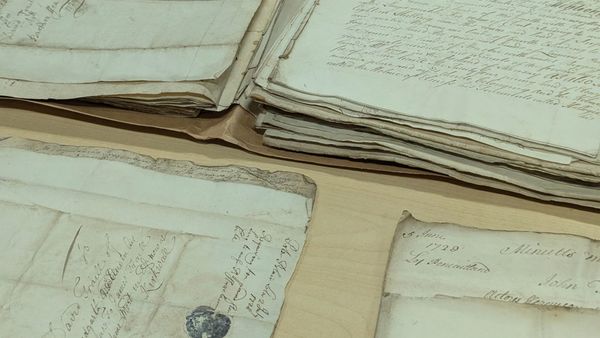
There was a story about her punching the one of the Traills, so I kind of had to know more about her. What I found was a much more complex character whose story moved me to spend many days transcribing court records, letters and histories to piece together her own side of the story. Not least that she says she was twelve when he got her pregnant, taking advantage of her innocence and his “worldly knowledge.”
That is a book that I now need to write.
So, when I was offered a tour of Stronsay by some local history experts, I jumped at the chance. And then there were problems with the ferry that goes between our islands. We’d arrange a date, then the repairs would be delayed. Yesterday, I finally managed to make the journey. A journey that feels increasingly like some kind of pilgrimage.
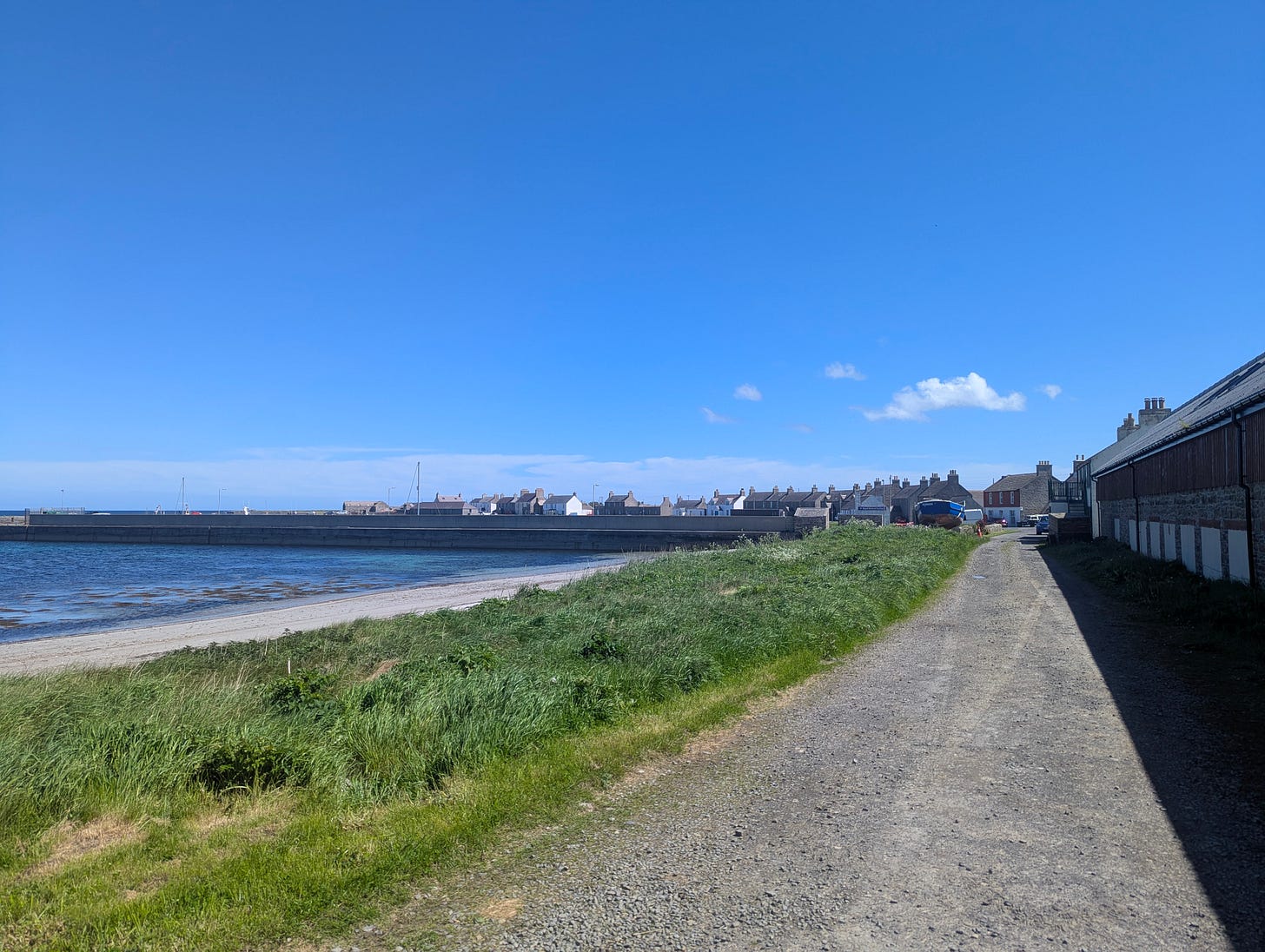
She was born in 1689 in Whitehall, a house and an estate built by her father with money he’d made as a privateer. The wealth stolen from Dutch traders built their houses in a sheltered bay that faces the monastery on Papa Stronsay. As this was built in the 1600s, very little remains of those buildings. The oldest building lies near to the pier and I managed to peek into the yard, where I could see the arches of what was probably a parking area for carts and wagons.
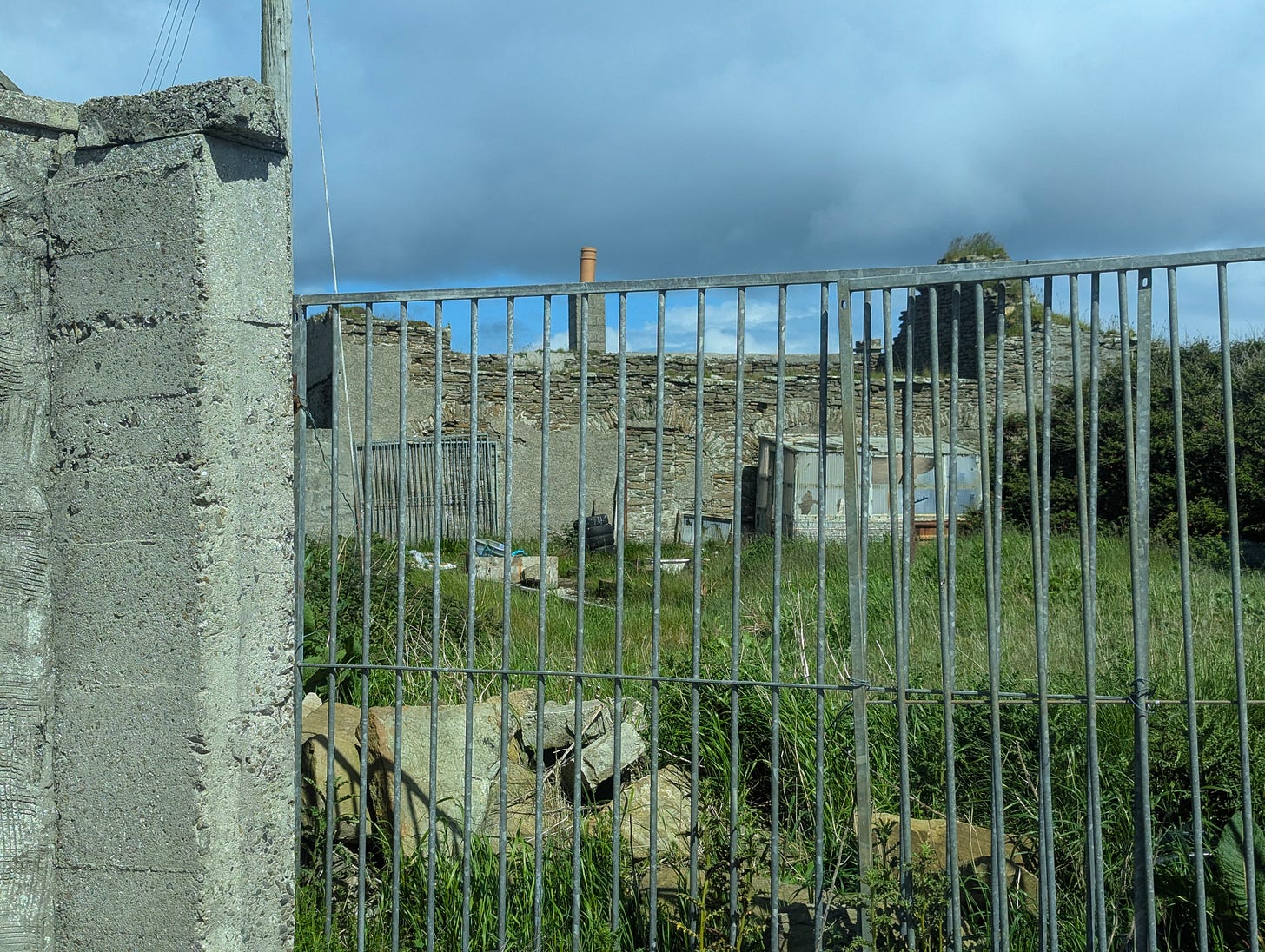
I’m told that Stronsay used to have such a busy trading culture that there were several smithies and cooperages to cope with the busy trade. My guide also reminded me that the enormous wealth from the early herring booms came because the barrels of cheap fish were used to feed slaves. It is good not to see only the glory, but the pain of the past.
Barbara Fea was the rightful owner of Housbie, a large and fertile place to the southeast of the island, overlooking and owning the island of Auskerry. When her husband fled the country, she struggled for many years to take control of their home. It was an infamous legal struggle that took decades and generations before it settled. By the time she died in 1737, she had won her share of the wealth she was owed and she had her daughter and her son-in-law at her side and was beloved by her friends who wrote:
“I never indeed saw any person embrace death with better courage, nor more distinctness and resignation.”
While the case continued beyond her death, it is comforting that she died knowing she was loved.
Housebay is a working farm, so I didn’t intrude to go and look at the ruins of the house she should have had as her home, but I did get to look at it from afar. I’m hoping that I might be able to get permission to take a closer look the next time I visit, but I will respect their privacy and industry if they’d prefer I didn’t go in. Farms are busy and often dangerous places.
I did, however, find a house that she restored from ruins in 1726 and was the last place she lived on Stronsay before moving back to Leith. It’s a small building that is called “The Ha” and somehow, it’s always been referred to in a quotation marks. That made it a little trickier to find that hall, but local knowledge often surpasses what I can find in a book.
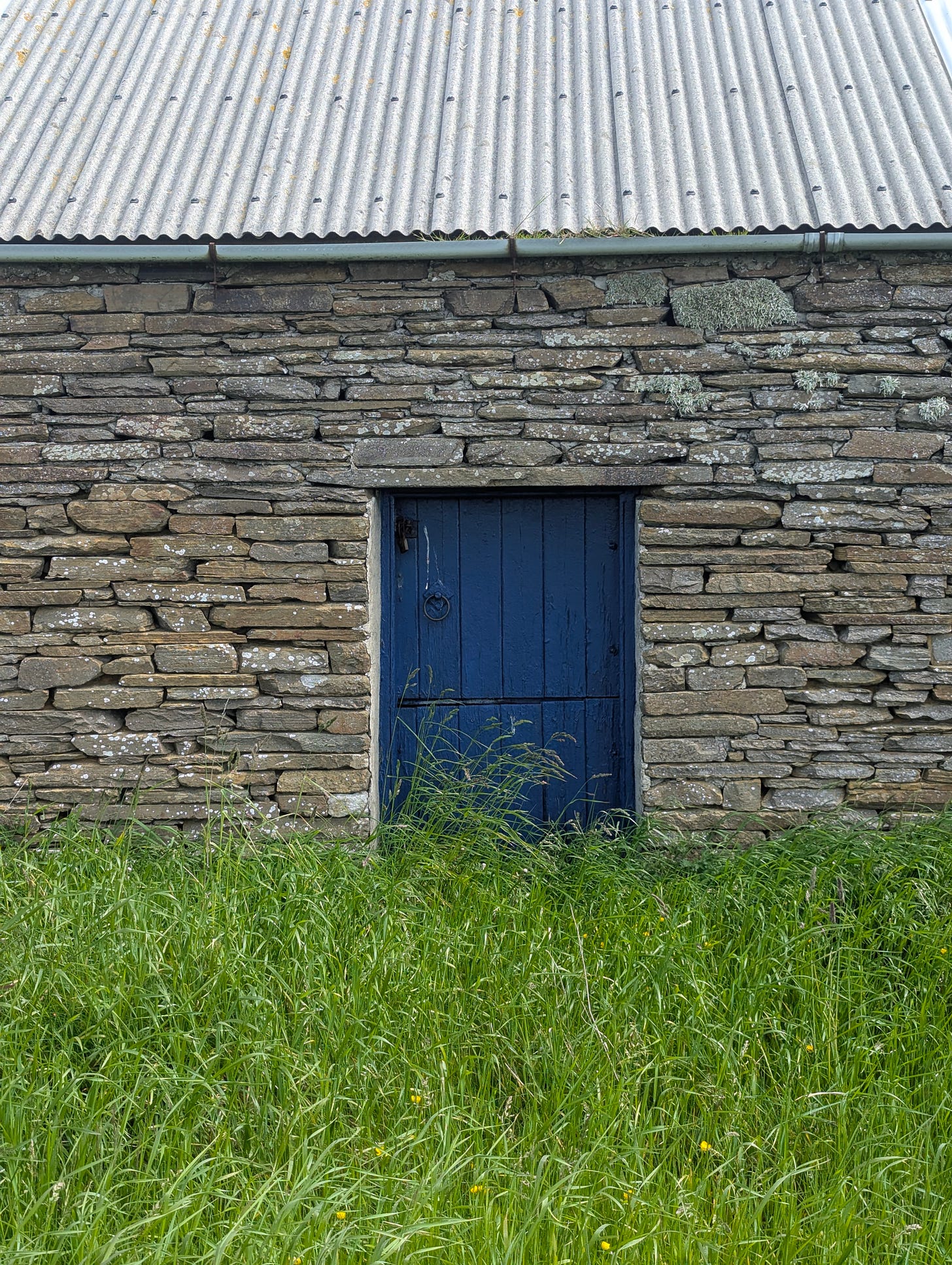
“The Ha” was Barbara’s last home on Stronsay, so it was surprisingly moving to visit it and see it with my stone-builder’s eye. The low doors were once the height of the building and it’s been extended in the way that a lot of Orkney houses lengthen. We live in the longhouses of Vikings and there’s no need to let go of a good design.
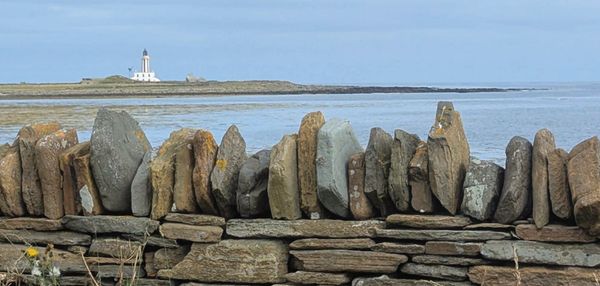
There’s also a line where the walls were made taller so the roof was raised up. Beside “The Ha” is a small yard that, I would like to dream, was her kaleyard. From that little cottage, she would have been able to look out across Stronsay and beyond to the silver sea and blue skies that I enjoyed yesterday.
My friends were able to help me to piece together so many small fragments that weren’t making sense from court records and history books. Other questions were answered by the landscape itself, where I could see what folk then would have seen and discovered what was obscured by the hills.
I now have a fairly complete timeline for her life and I am investigating the folk she meets and those who help her as well as those who do her some horrific harm. The task now moves to the writing board.
I can finally tell the astonishing tale of a woman whose tenacity and whose belief in love and justice has been so awfully maligned. History may have been written by the wealthy, but it’s also written by those willing to do their homework and with the support and knowledge shared by friends.
I hope, friend, that you’ll stick with me for this journey.